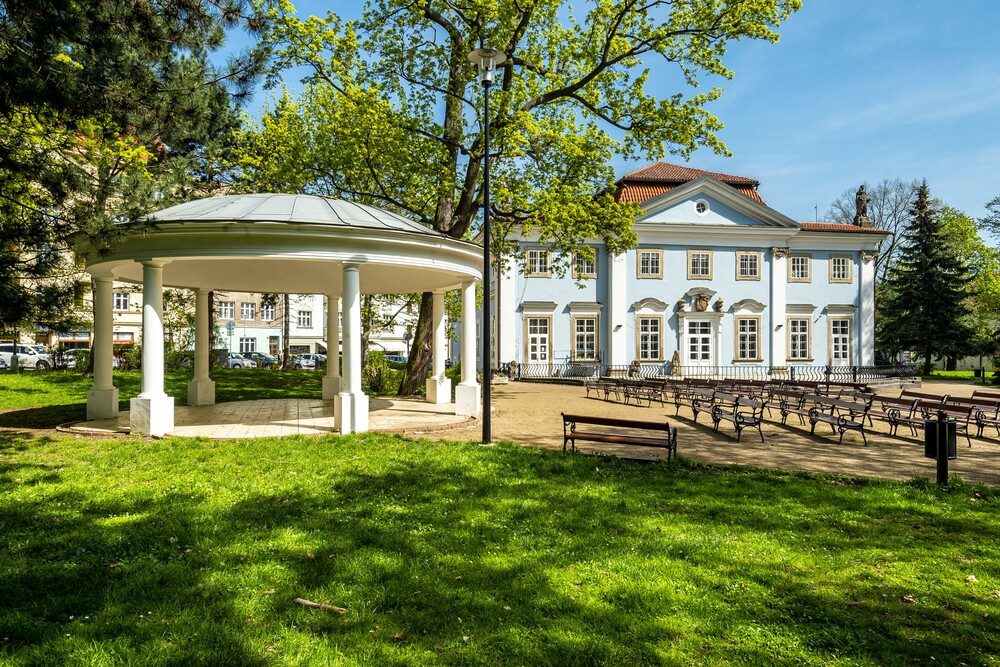
The oldest spa town in Central Europe boasts a rich history, thanks to which it was once known as the “Salon of Europe.” The heart of the city is Castle Square, featuring the castle, which today houses the Teplice Regional Museum with its valuable collections and a castle garden open to the public. Other notable sites include St. Bartholomew’s Church, a modern aqua center, a botanical garden with tropical greenhouses, and the Šanov spa district with its extensive parks.
Other objectives in this stage
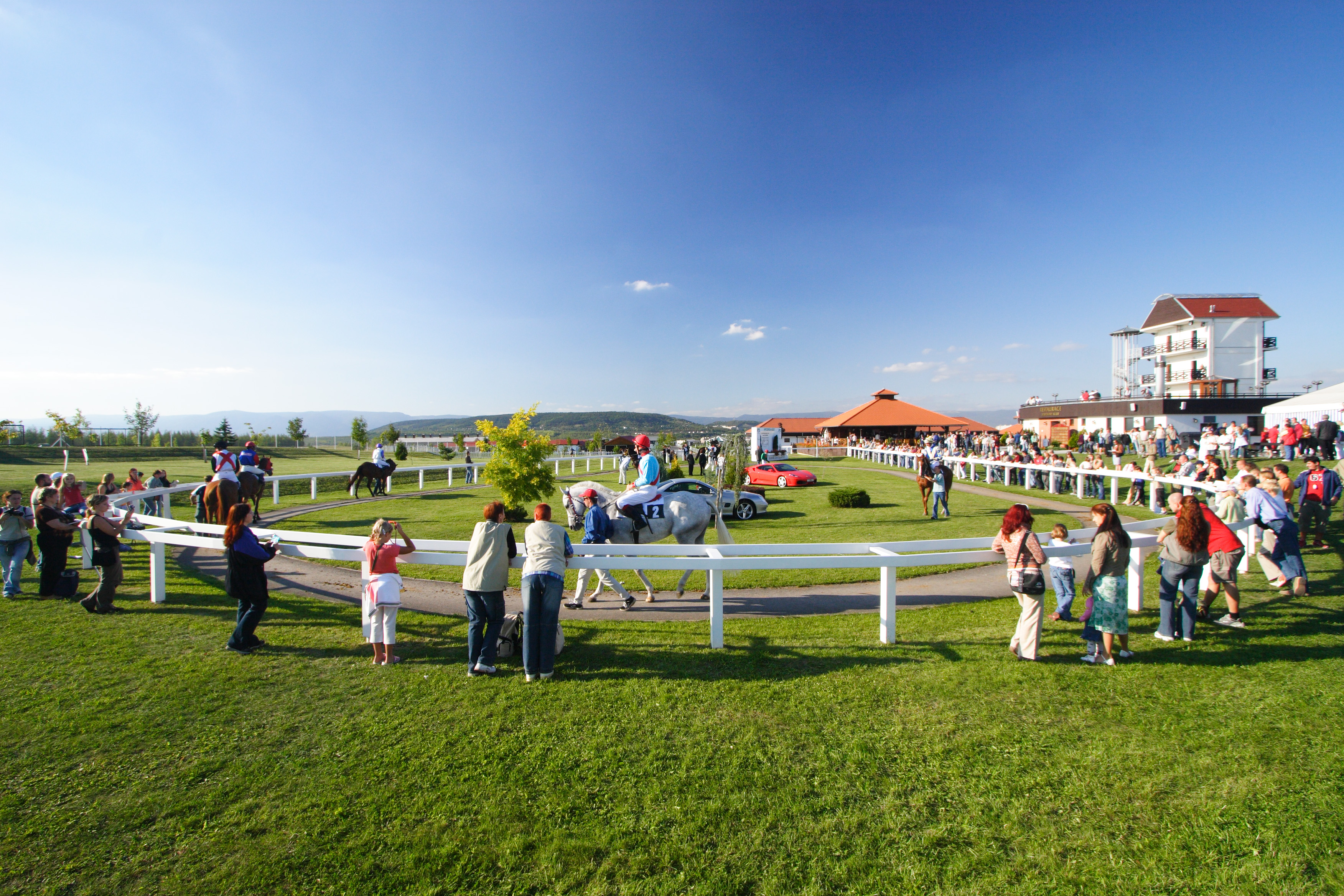
Most
The town's main attraction is the late Gothic Deanery Church of the Assumption of the Virgin Mary, famous for its unique relocation on rails, which saved it from coal mining....
Show more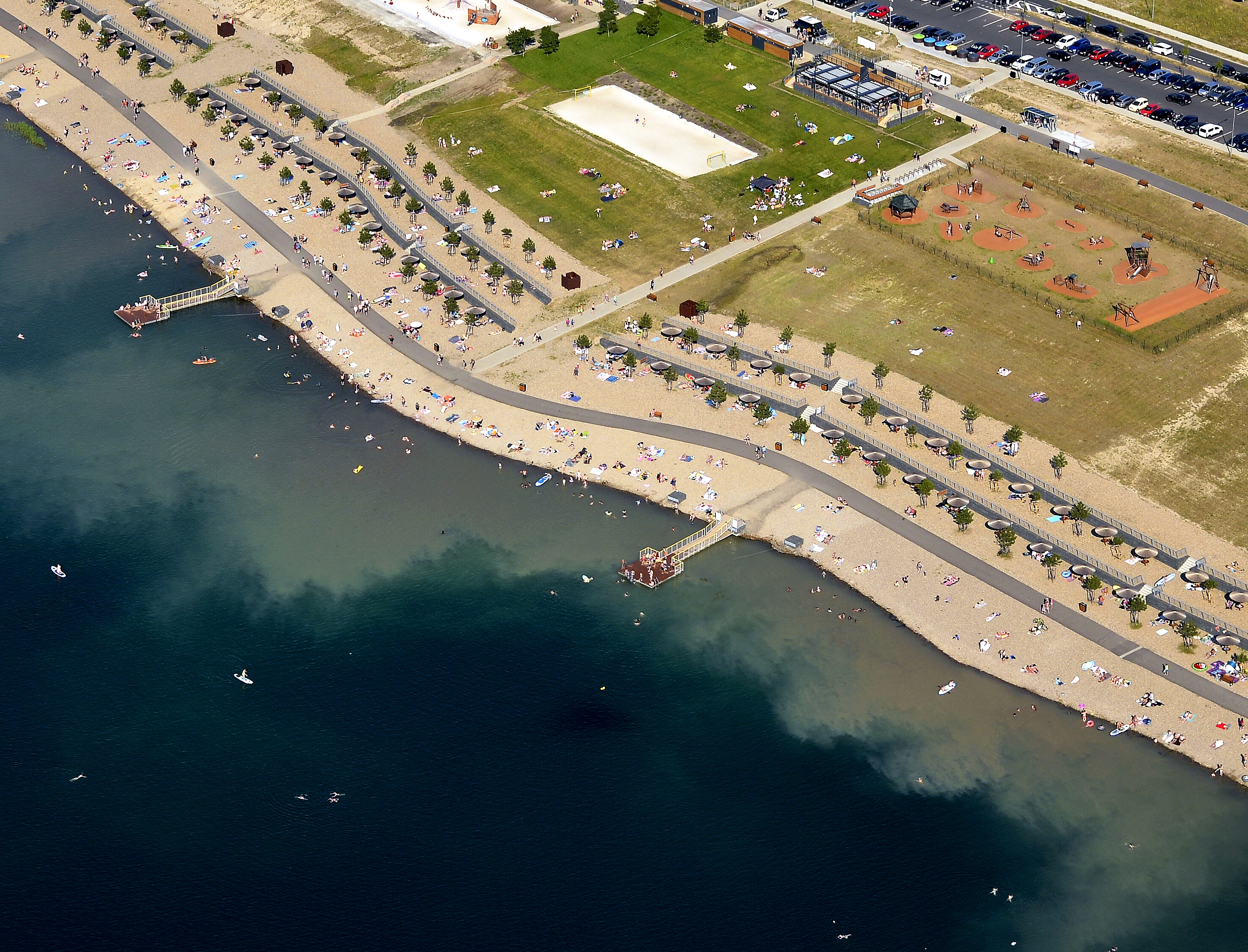
Lake Most
This extensive body of water was created by the hydrological reclamation of the former Ležáky open-cast mine, right below Hněvín hill and close to the relocated church. Covering more than...
Show more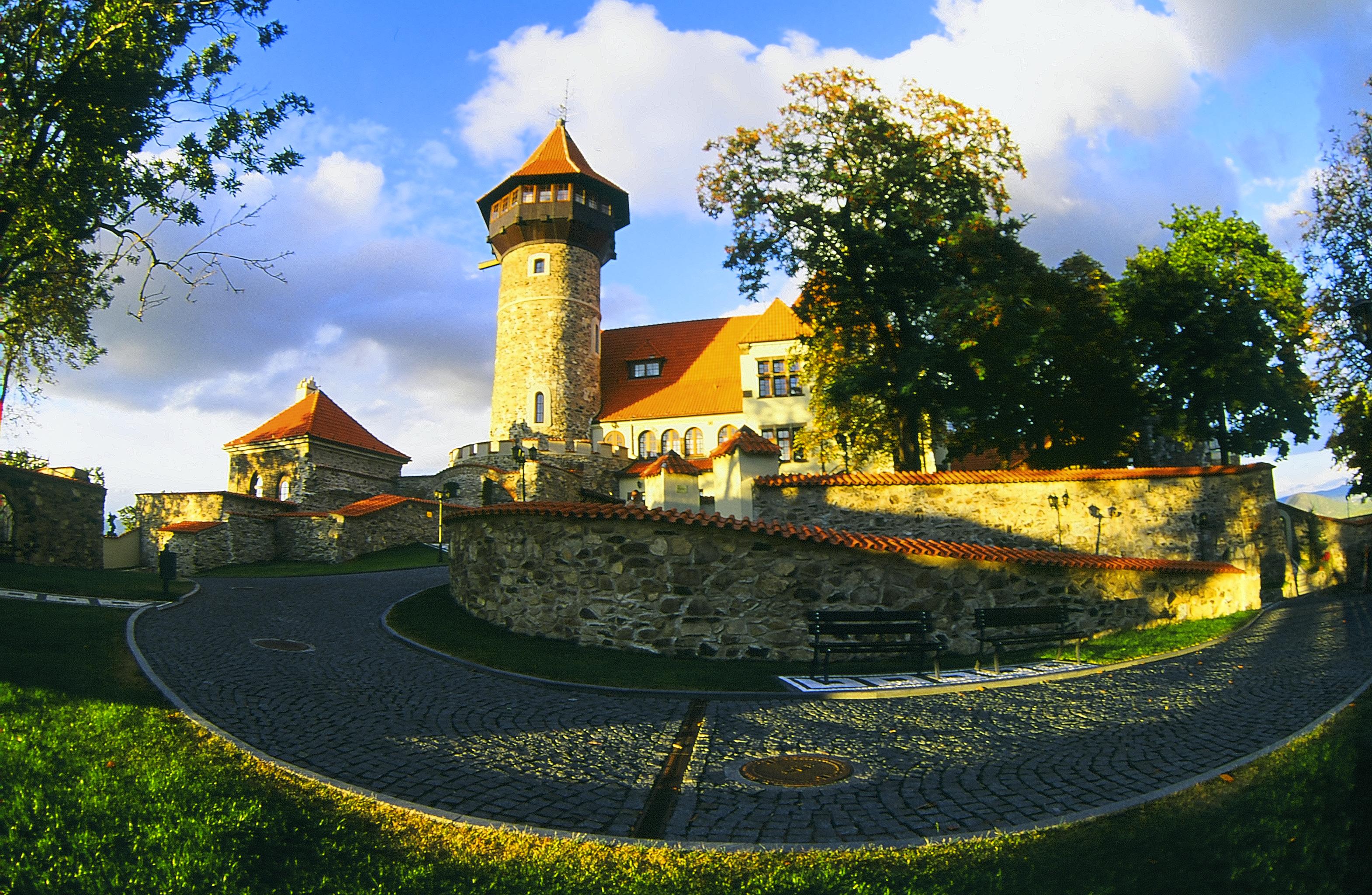
Hněvín
A majestic Neo-Gothic replica of a historic castle stands on the hill of the same name above the town of Most. For cyclists, it’s a steep climb, but your reward...
Show more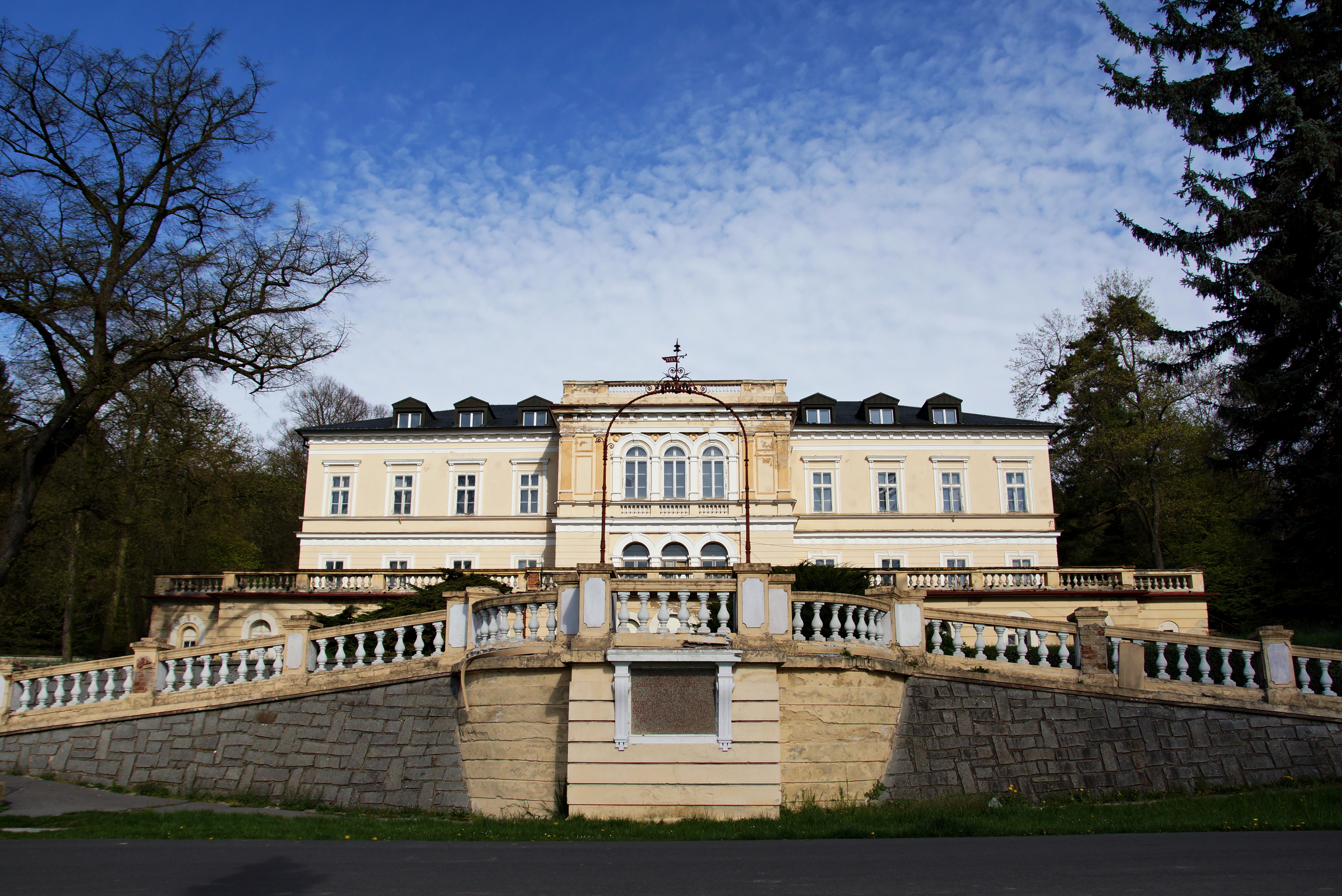
Bílina
The town of Bílina lies in the valley of the river of the same name below the majestic Bořeň hill, and its historic centre with the Baroque chateau of the...
Show more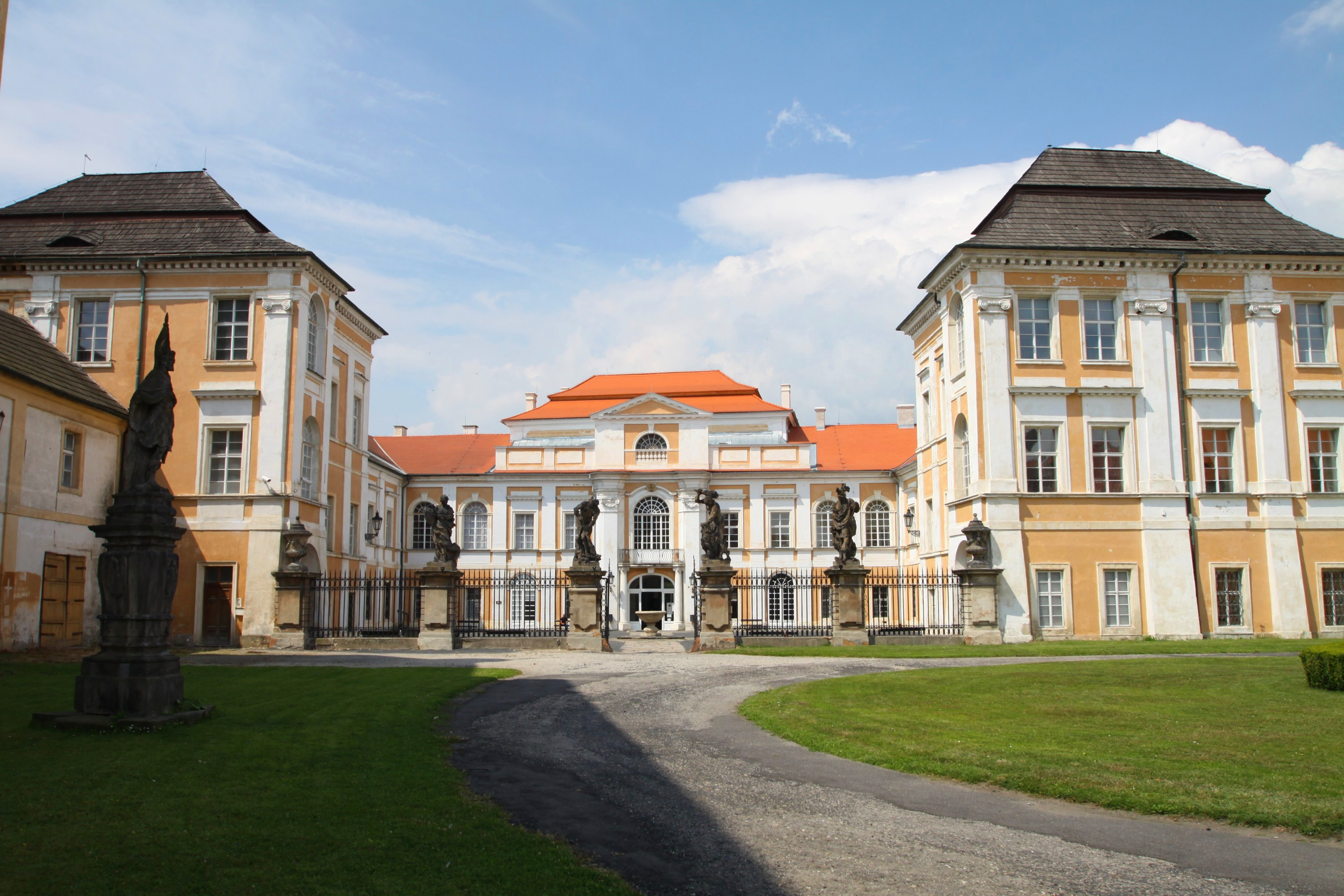
Duchcov Chateau
The monumental Baroque state chateau of Duchcov, built on the site of an earlier Renaissance residence, is known worldwide as the place where the famous Giacomo Casanova worked as a...
Show more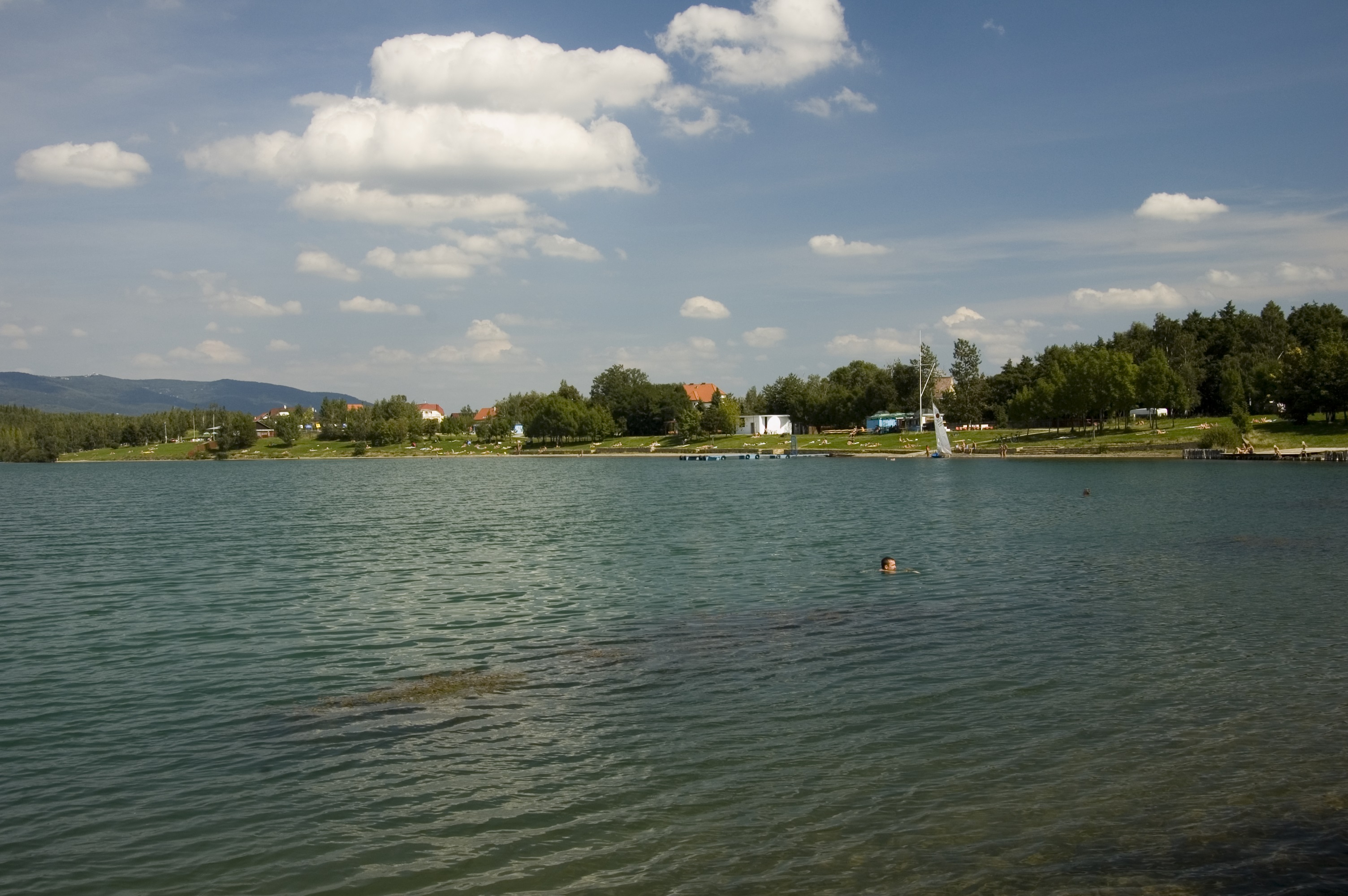
Lake Barbora
This large reservoir near the village of Oldřichov was created by flooding the open-cast mine of the same name and is one of the deepest bodies of water in the...
Show more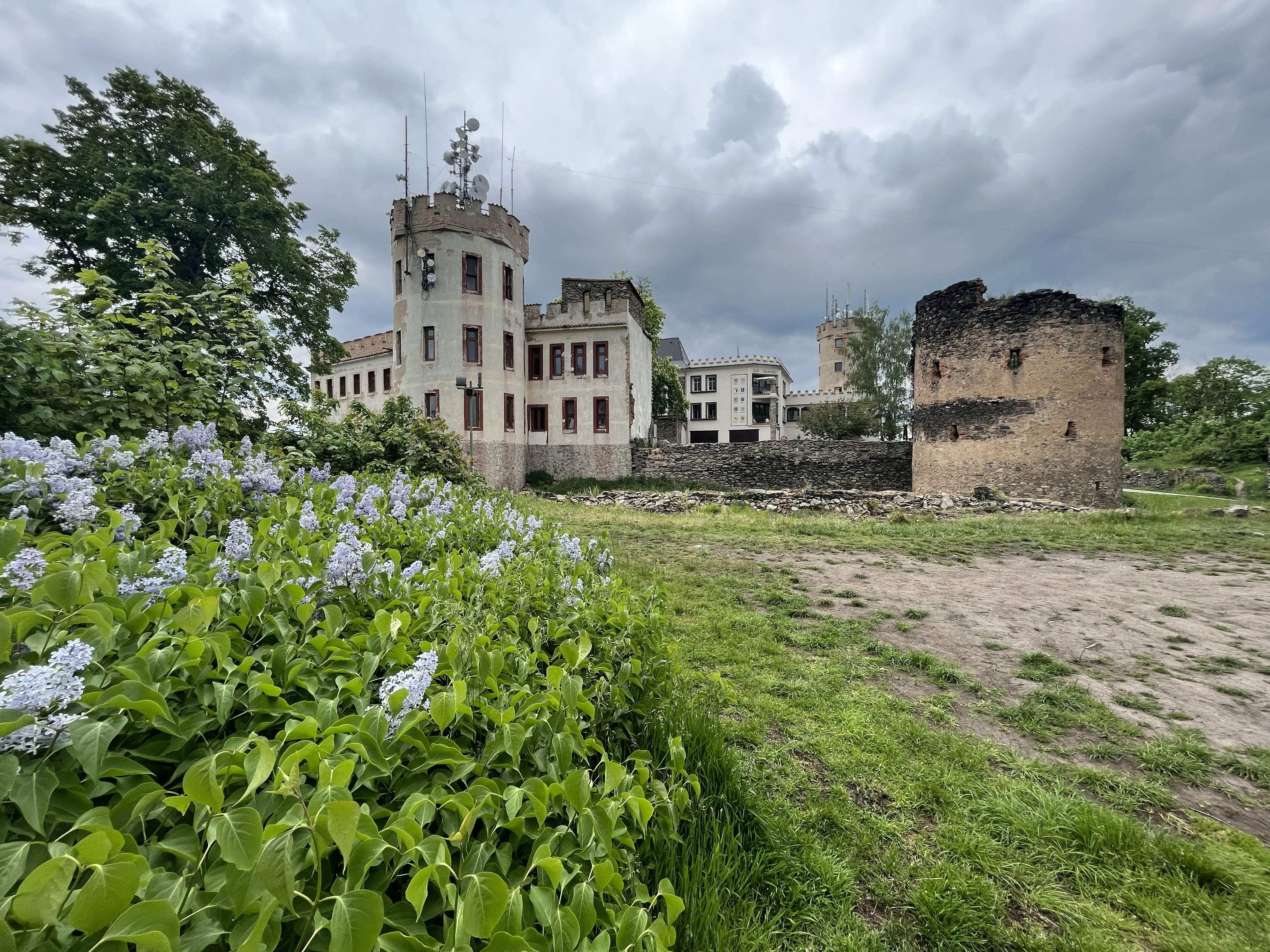
Doubravka
The stone ruins of Doubravka Castle from the fifteenth century form an unmistakable landmark on a steep, wooded basalt hill above Teplice. In the nineteenth century the noble Clary-Aldringen family...
Show more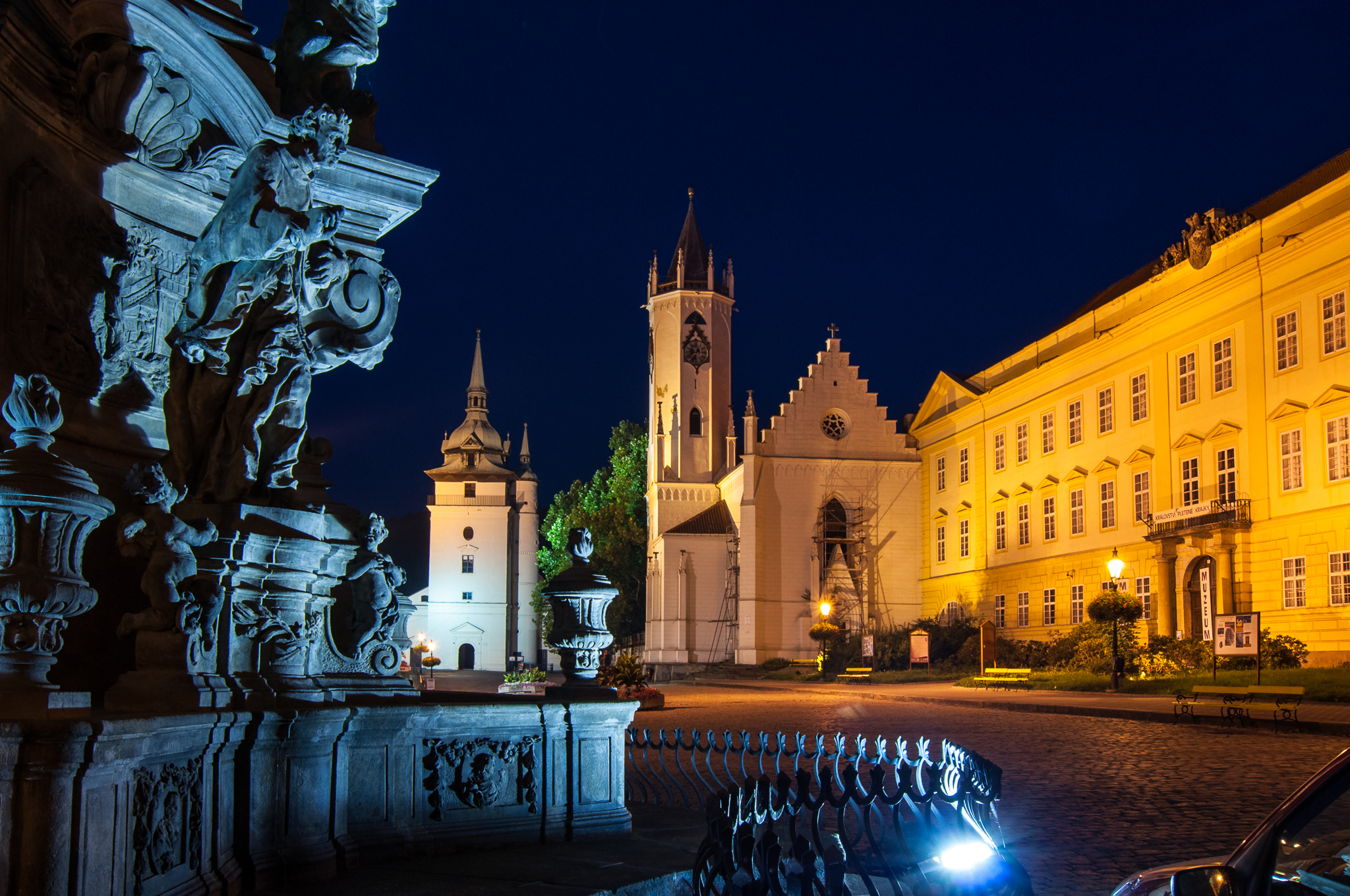
Teplice Springs and Thermalium
The main draw of the oldest spa town in Central Europe is its natural thermal springs, whose healing power is documented by archaeological finds of coins dating back to the...
Show moreRefreshments on the route
- Centrum BENEDIKT (Most)
- Stánek Petra (Most)
- U dvou mnichů (Most)
- Restaurace u Káči (Most)
- The Most café (Most)
- Bridge Cafe 714 (Most)
- Lagarto Encore (Jezero Most)
- Bonmomo (Jezero Most)
- Hostinec na Náměstíčku (Most)
- Hotel Kapitol (Most)
- Hotel CASCADE Most (Most)
- Černy Andēl (Most)
- Hostinec Liběšice (Liběšice)
- Autokemp Kyselka Bílina (Bílina)
- Ubytování a restaurace U Kádi (Bílina)
- Restaurace Na Náměstí (Bílina)
- Penzion a restauce Bašta (Bílina)
- Penzion Bezovka (Bílina)
- Chateau garden (Teplice)
- Hotel Prince de Ligne (Teplice)
- Šanovská kovárna (Teplice)
- Šestidomí restaurace (Teplice)
- Hotel a restaurace Panorama (Teplice)
- Wellness Hotel Pivovar Monopol (Teplice)
- Café Restaurant Beethoven (Teplice)
- Restaurace Věžičky (Teplice)
- Café Restaurant Sissi (Teplice)
- Hospoda Pod Lampou (Teplice)
Accommodation on the route
- Centrum BENEDIKT (Most)
- Hotel Kapitol (Most)
- Hotel CASCADE Most (Most)
- Černy Andēl (Most)
- Autokemp Kyselka Bílina (Bílina)
- Ubytování a restaurace U Kádi (Bílina)
- Penzion a restauce Bašta (Bílina)
- Penzion Bezovka (Bílina)
- Hotel Prince de Ligne (Teplice)
- Hotel a restaurace Panorama (Teplice)
- Wellness Hotel Pivovar Monopol (Teplice)
- Hotel Payer (Teplice)
- Penzion Olympia (Most)
- Pension Kord (Most)
- Rezidence Bělehradská (Most)
- Penzion PUK sport (Bílina)
- Hotel U Kozičky (Teplice)
- Lázně Teplice (Teplice)
- Hotel Richmond (Teplice)
- Lázeňský dům Florentini (Teplice)


